
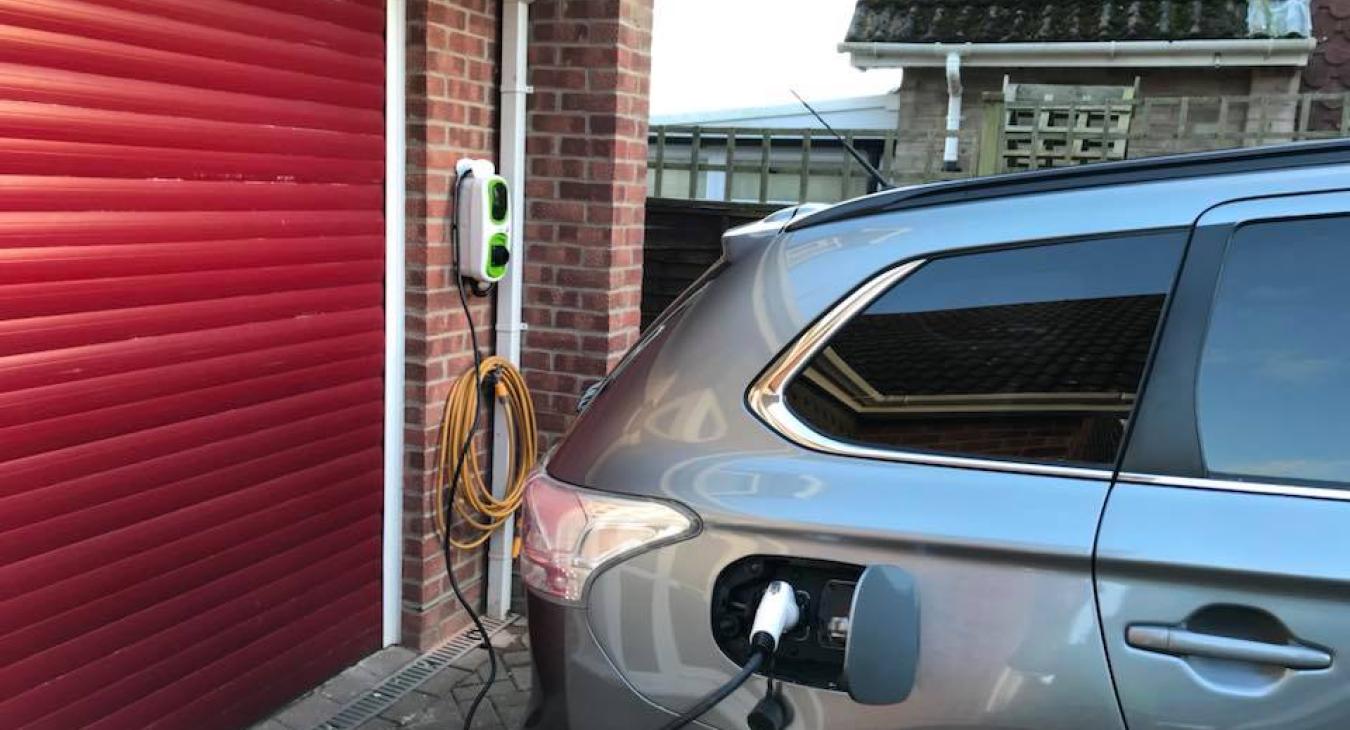
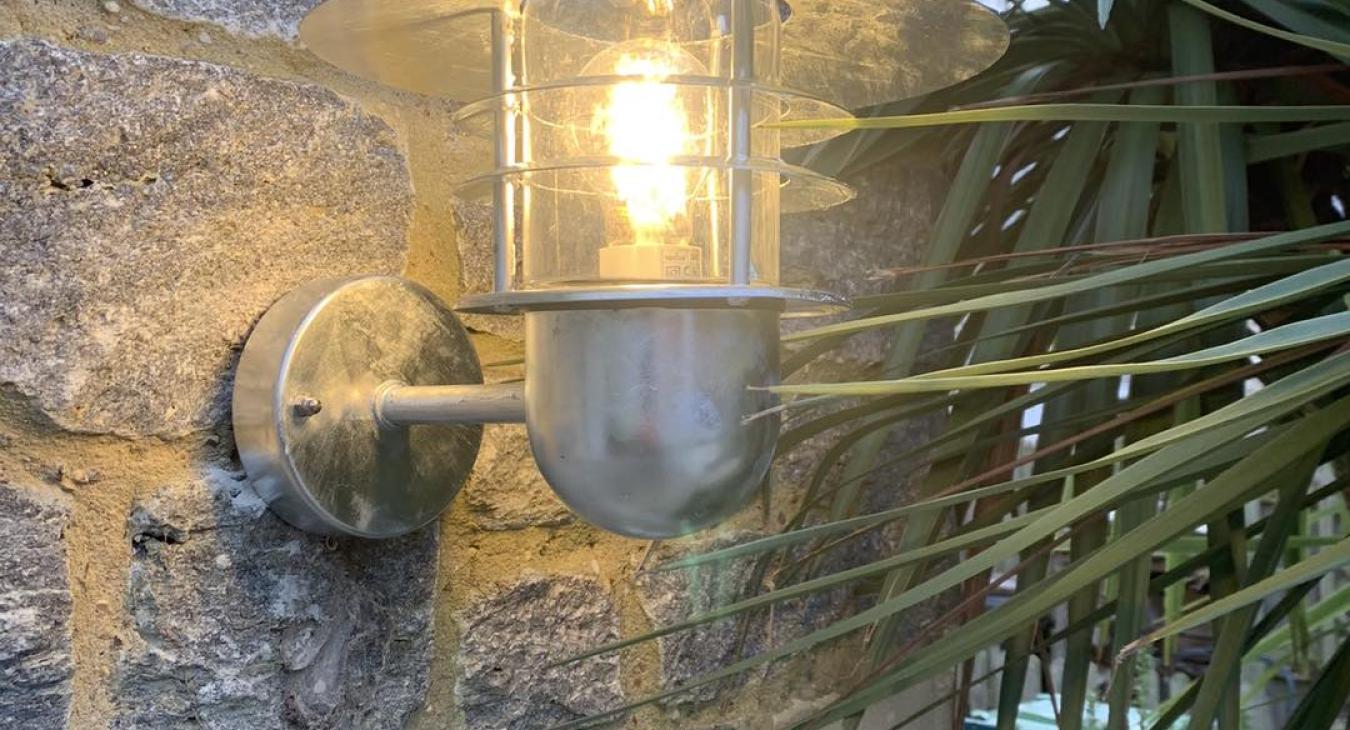

EV charger Axminster.
Really pleased with my new charger fitted today by Tyne Electrical Services.
Image
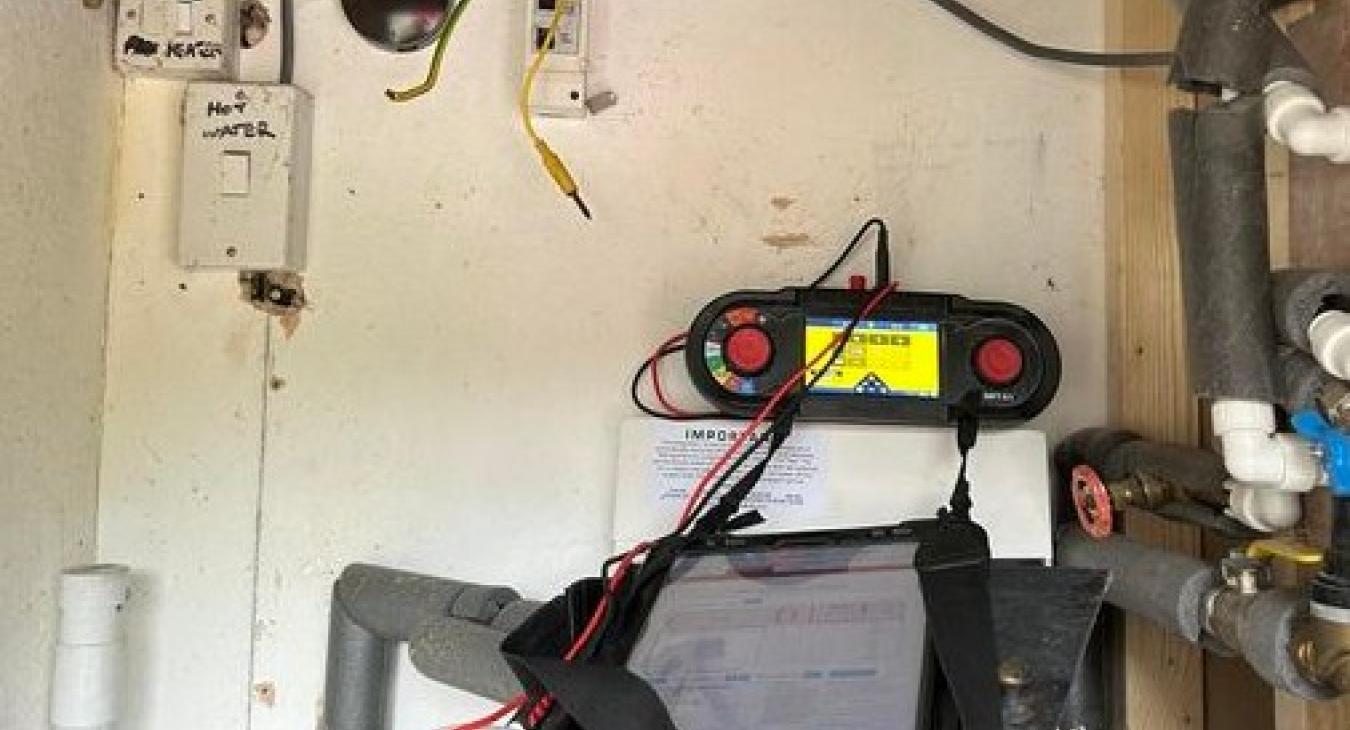
When selling your Colyton home it can feel like the ‘to-do’ list is never ending. When going through the motions of what needs to be done, many people find themselves asking ‘do I need an EICR to sell my house?’ The short answer is no. Legally, you aren’t obligated to have an EICR done. However, this would be a great move on your part to alleviate any potential concerns or stresses the prospective buyer might have - knowing the electrical safety of the property has been professionally assessed can offer a great peace of mind and reflects greatly on you as a seller.
If the buyer wants an EICR before they buy the property, do I have to do this?
Under UK property law, you aren’t required to have an EICR (Electrical Installation Condition Report) if the potential buyer requests this - however, this can be asked as a part of negotiation. Generally this can be quite a normal process as people like to have a clear picture of what condition the electrics in the property are in and if they’re going to need to pay for a rewire, consumer unit upgrade etc. You may lose a sale if you refuse to allow the EICR as it may be perceived as there is something wrong with the property.
The good news is, there usually isn’t any expectation for you, the seller, to pay for the EICR - the onus for this would normally fall on the potential buyer.
What happens if the EICR is unsatisfactory?
The downside of an EICR when selling a property is that this may uncover electrical faults you didn’t even know existed, all that which can become a price negotiation point for the potential buyer. There are a few ways you can move ahead after faults are discovered, you can simply disagree to pay to fix the faults and advise you’re selling the property ‘as seen’ this leaves the ball in the buyers court to decide if they want to pay to fix the issues - this risks the buyer pulling out of the sale. If you’d rather the buyer fix the issues but are willing to negotiate the price, you can offer a reduction in line with the cost of the remedial work. For the sake of the sale, we generally recommend contacting your local Colyton electrician to fix the work for you and then provide you with a certificate to confirm all the faults are now fixed and the electrics safe.
What kind of faults can an EICR find?
An EICR can offer 4 results: C1, C2, C3 & FI. A C1 means there is immediate risk of electrical fire or shock - this is usually caused by exposed live wires, damage to cables, signs of melting from overheating or if the primary protective earth connection is completely gone or compromised. A C2 means there is potential for the faults to be dangerous, this can be a lack of protective bonding, a lack of earthing, a lack of RCD protection or overloaded circuits. A C3 would mean that the current system is safe to use but there are some things you could do to improve, however there are no legally obligating repairs you have to make. Finally, FI simply stands for ‘Further Investigation’ - this means there is a potential issue but they cannot conclusively tell you as it requires further investigation.
Book an EICR Today
It is generally advised homeowners in the UK have an EICR every 10 years. If you’re selling your home and a buyer has asked for an EICR, Tyne Electrical are your local and trusted electrician in Colyton. Contact the team today!